Why Local Real Estate Agents Should Partner With the Disability Sector
Long-term tenancy stability, growing demand for accessible housing and supported tenancies make NDIS participants ideal tenants. Here's why property agents and managers should connect with the disability sector.
Why Local Real Estate Agents Should Partner With the Disability Sector
The NDIS housing market represents a growing and underserviced opportunity for local real estate agents and property managers across Australia.
Long-Term Tenancy Stability
NDIS participants often seek stable, long-term housing arrangements that provide continuity of care and connection to community. Unlike short-term rental markets, disability housing placements frequently result in multi-year tenancies — reducing vacancy risk and turnover costs for property owners.
Reduced Vacancy Risk
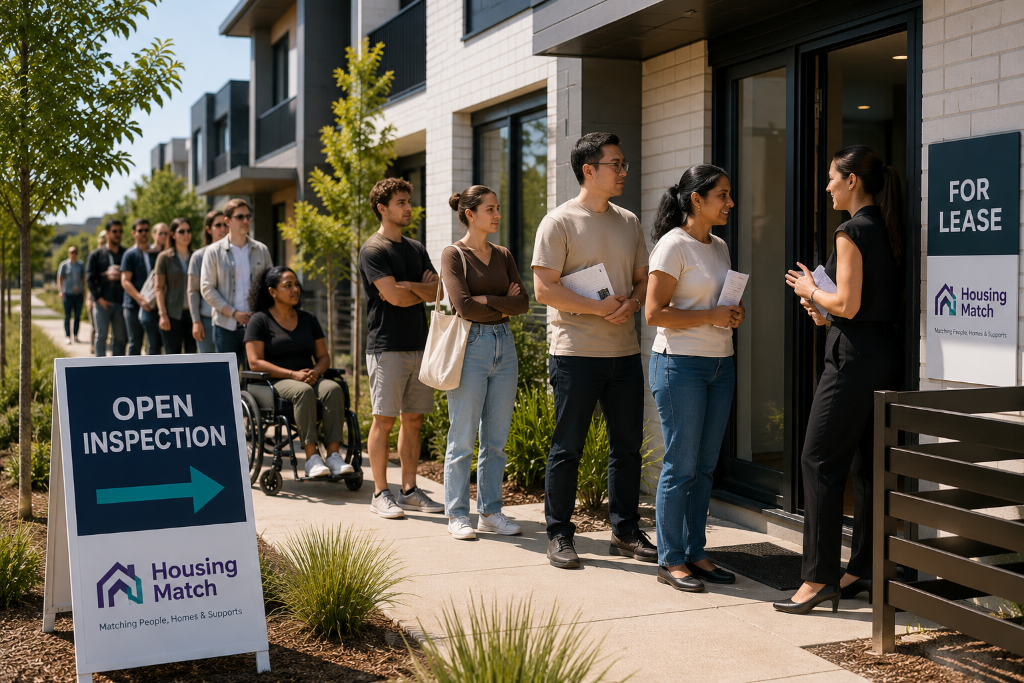
Properties listed through Housing Match reach a national network of support coordinators, allied health professionals, hospital discharge teams and NDIS providers actively seeking accommodation for participants. This creates a warm, qualified pipeline of prospective tenants.
Growing Demand for Accessible Housing
Demand for accessible and disability-friendly housing continues to grow across Australia. One and two-bedroom properties are often highly suitable for participants requiring individual living arrangements, and accessible features such as ramp access, wider doorways and step-free bathrooms add value for this audience.
Direct Leasing Opportunities With Providers
Many SIL providers lease residential properties directly, creating a simplified management arrangement. Rather than managing individual tenants, property owners work with an established organisation responsible for tenancy obligations, property care and resident management.
Support Services Assist Tenancy Sustainability
Support workers regularly assist participants to maintain their homes. This includes:
- Cleaning — regular household cleaning as part of support plans
- Lawn maintenance — outdoor upkeep and garden care
- Household routines — laundry, dishwashing and daily tasks
- Property care — minor maintenance and reporting of issues
- Community access — supporting participants to engage in community life
This structured support model means properties are often well-maintained and tenancy issues are identified and resolved early.
Community Housing Pathways
Housing Match connects property agents with community housing pathways, providers and support networks who can facilitate smooth placements and ongoing tenancy management.
Positive Social Impact Alongside Commercial Returns
Partnering with the disability sector creates tangible social impact alongside commercial returns. Property owners and agents contribute to better housing outcomes for Australians with disability while benefiting from stable, long-term rental income.
How Housing Match Connects Property Partners
Housing Match helps connect property owners and real estate agents with participants, providers and support services to create sustainable housing outcomes while supporting strong tenancy performance.
Get started as a Property Partner →

Explore More
Search NDIS Housing
Find available SIL vacancies and SDA properties across Australia.
Search Properties