How AI Compatibility Assessments Are Reducing SIL Vacancies for NDIS Providers
SIL vacancies represent a significant financial risk for disability housing providers. Here's how AI-powered participant matching is helping providers fill vacancies faster and improve long-term tenancy outcomes.

In This Article
The SIL Vacancy Problem
For SIL providers, every unfilled bed represents revenue loss while fixed costs — staffing, property, compliance — remain constant. Across Australia, SIL vacancy rates remain a persistent challenge, with providers reporting that finding the right participant match can take weeks or months.
The core issue is not a lack of demand — there are thousands of NDIS participants actively seeking SIL accommodation. The problem is matching: connecting the right participant with the right household at the right time.
Why Traditional Referral Processes Fall Short
Most SIL referrals still happen through informal networks — a support coordinator calls a provider they know, a family member searches Google, or a participant is referred through hospital discharge. These processes are:
- Slow: back-and-forth information requests delay decisions
- Incomplete: providers receive inconsistent information about participant needs
- Subjective: intake decisions are often made without structured compatibility data
- Siloed: providers have limited visibility of active participants in their region
The result is extended vacancy periods, placement mismatches and, ultimately, placement breakdowns that restart the whole cycle.
How AI Compatibility Assessment Changes This
Housing Match's AI compatibility assessment engine evaluates the fit between a participant and a specific SIL property across eight domains:
- Location and transport
- Funding and support type alignment
- Physical accessibility requirements
- Support complexity and capacity
- Lifestyle and community participation preferences
- Housemate compatibility
- Behaviour support requirements
- Communication needs
When a participant applies for a property, the engine generates a structured compatibility report with domain scores, an overall compatibility rating and identified risks. This report is included in the digital referral pack shared with the provider.
The Impact on Vacancy Periods
Providers using structured compatibility assessments report faster intake decisions because:
- They receive pre-qualified referrals with structured information
- Compatibility risks are surfaced early — before wasting time on unsuitable applications
- Household fit is assessed before the inspection stage
- Providers spend less time on back-and-forth information requests
Best Practices for Reducing SIL Vacancies
- List vacancies with detailed household profiles — the more information you provide, the better the matching quality
- Respond to referrals quickly — participants and SCs are comparing multiple properties simultaneously
- Use compatibility assessments as a starting point — not a replacement for intake judgement
- Track your vacancy metrics — understanding your average vacancy period helps identify where the process breaks down
- Build relationships with support coordinators — SCs are the primary referral pathway for SIL placements
Conclusion
AI-powered participant matching is not a silver bullet, but it is a significant improvement over informal referral processes. By structuring the information exchange between participants, support coordinators and providers — and surfacing compatibility insights early — tools like Housing Match help reduce SIL vacancy periods and improve long-term tenancy outcomes for everyone.
Ready to list your SIL vacancies? Register as a provider or contact our team.
You May Also Be Interested In
Technology and the Future of Supported Independent Living
How technology can strengthen supported decision-making, participant choice and service quality in Supported Independent Living under the new SIL Practice Standards.
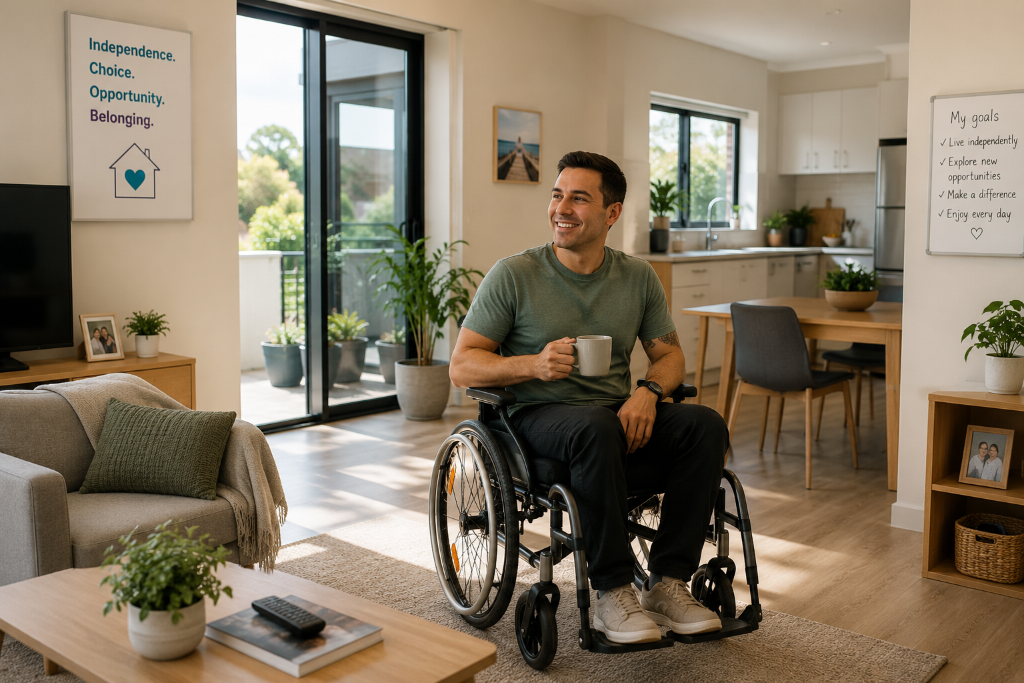
Understanding Specialist Disability Accommodation (SDA): Categories, Funding and How to Apply
Specialist Disability Accommodation (SDA) provides purpose-built or modified homes for NDIS participants with extreme functional impairment or very high support needs. Here's how SDA funding works and how to find available SDA properties.
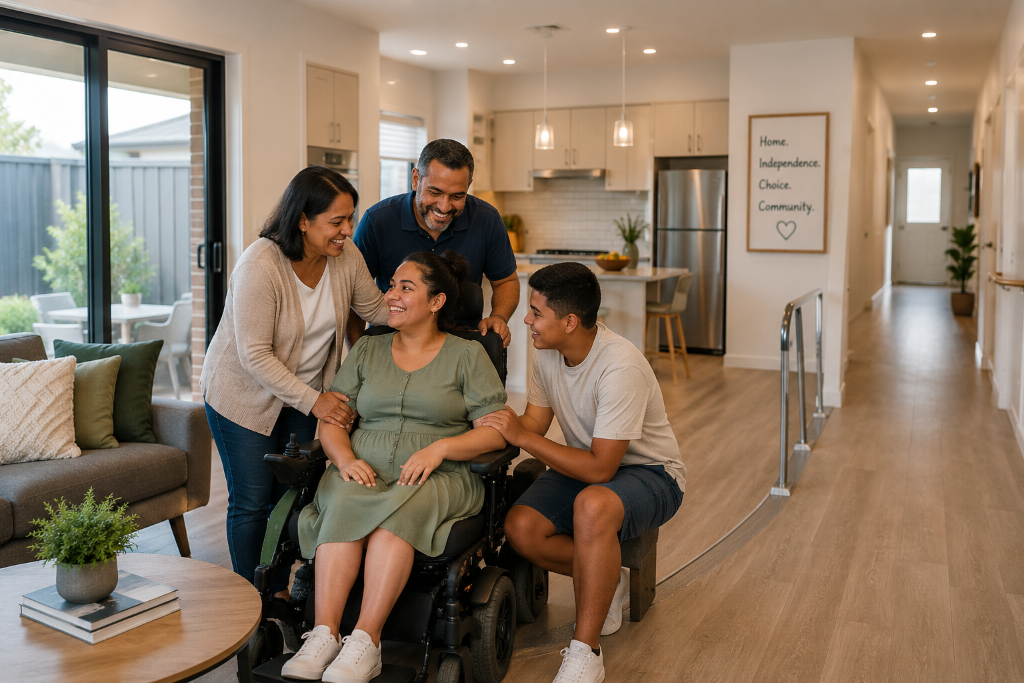
What is Supported Independent Living (SIL)? A Complete Guide for NDIS Participants
Supported Independent Living (SIL) is one of the most significant NDIS supports available — here's everything you need to know about how it works, who qualifies, and how to find SIL vacancies near you.
Explore More
Search NDIS Housing
Find available SIL vacancies and SDA properties across Australia.
Search Properties