What is Supported Independent Living (SIL)? A Complete Guide for NDIS Participants
Supported Independent Living (SIL) is one of the most significant NDIS supports available — here's everything you need to know about how it works, who qualifies, and how to find SIL vacancies near you.
In This Article
What is Supported Independent Living?
Supported Independent Living (SIL) is NDIS-funded support that helps people with disability live as independently as possible. SIL covers the cost of support workers who assist with daily tasks — personal care, cooking, cleaning, medication management — typically in a shared home with other NDIS participants.
Who Is Eligible for SIL?
SIL is available to NDIS participants who require significant daily living supports. Eligibility is determined by the NDIS based on your functional capacity, support needs and goals. A support coordinator or occupational therapist can help you build the evidence for a SIL request at your next plan review.
How Does SIL Funding Work?
SIL funding sits under 'Core Supports' in your NDIS plan. The amount is calculated based on:
- Your individual support needs
- The support ratio of the house (e.g. 1:2 or 1:3)
- The hours of support required each week
- Overnight support model (sleepover vs active night)
The funding is paid to a registered SIL provider who manages the support workforce.
Finding SIL Vacancies
One of the biggest challenges in the NDIS housing sector is limited visibility over available SIL vacancies. Housing Match addresses this with a searchable national directory of SIL properties — allowing participants, families and support coordinators to find and compare options by location, support ratio, accessibility features and housemate compatibility.
What to Look for in a SIL House
When searching for a SIL vacancy, consider:
- Location: proximity to family, work, day programs and community services
- Support ratio: does the house model match your support needs?
- Housemate compatibility: will you be compatible with the existing residents?
- Accessibility: does the property meet your physical and sensory requirements?
- Provider reputation: what is the provider's track record and staff culture?
Next Steps
If you're looking for a SIL vacancy, start by creating a free profile on Housing Match. Our AI compatibility assessment engine will match you with compatible properties and help you understand the key factors driving each recommendation.
For more information, visit our Supported Independent Living guide.
You May Also Be Interested In
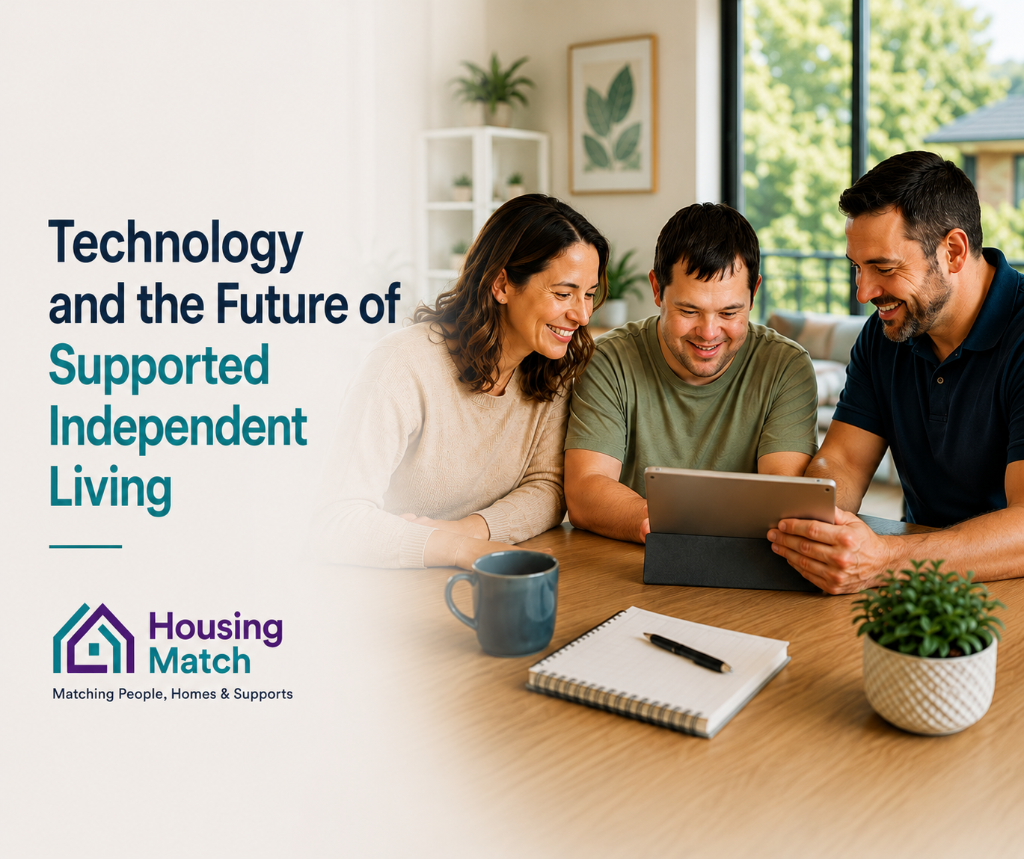
Technology and the Future of Supported Independent Living
How technology can strengthen supported decision-making, participant choice and service quality in Supported Independent Living under the new SIL Practice Standards.
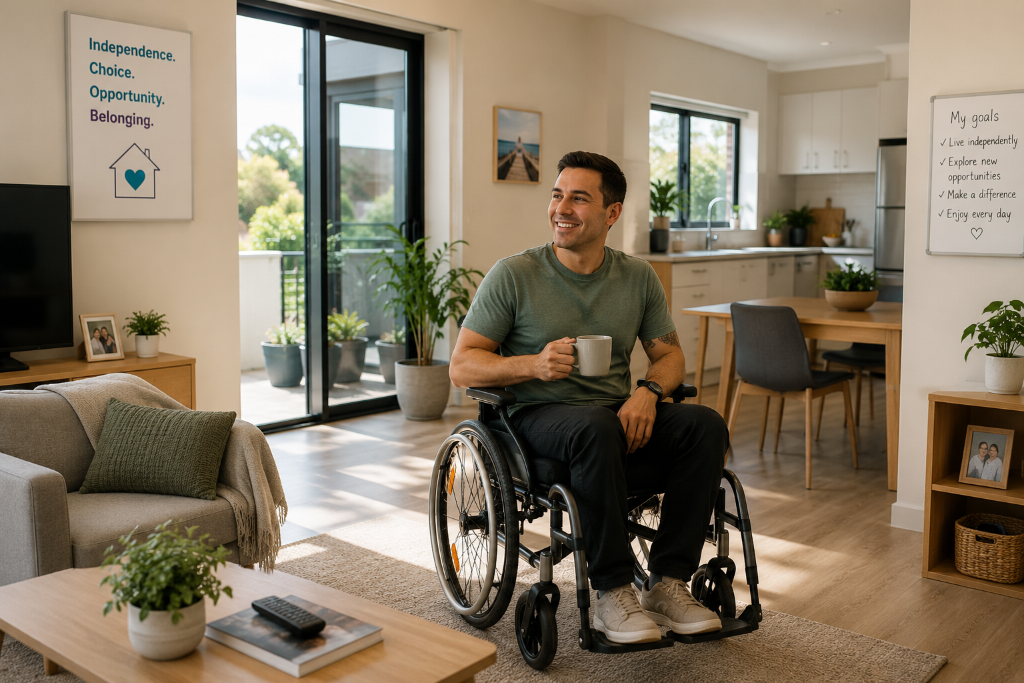
Understanding Specialist Disability Accommodation (SDA): Categories, Funding and How to Apply
Specialist Disability Accommodation (SDA) provides purpose-built or modified homes for NDIS participants with extreme functional impairment or very high support needs. Here's how SDA funding works and how to find available SDA properties.

How AI Compatibility Assessments Are Reducing SIL Vacancies for NDIS Providers
SIL vacancies represent a significant financial risk for disability housing providers. Here's how AI-powered participant matching is helping providers fill vacancies faster and improve long-term tenancy outcomes.
Explore More
Search NDIS Housing
Find available SIL vacancies and SDA properties across Australia.
Search Properties