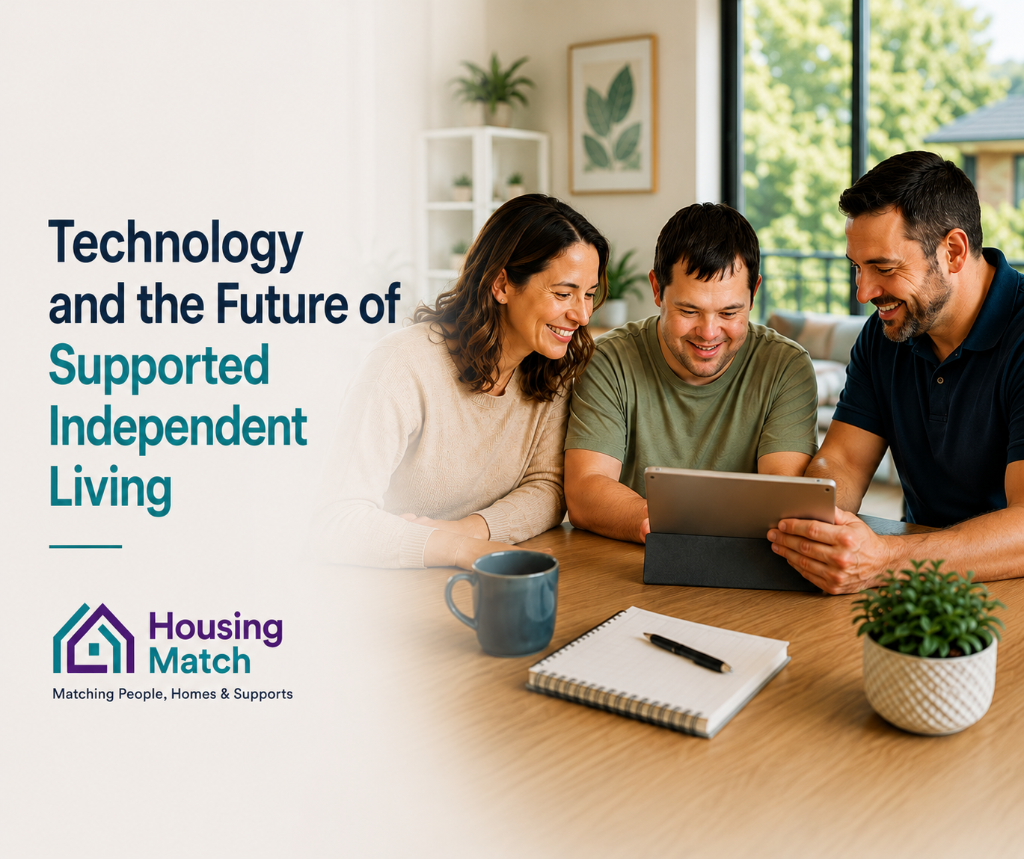
Technology and the Future of Supported Independent Living
How technology can strengthen supported decision-making, participant choice and service quality in Supported Independent Living under the new SIL Practice Standards.
In This Article
Executive Summary
Supported Independent Living is entering a new era. The new SIL Practice Standards place greater emphasis on participant outcomes, safeguarding, governance and continuous improvement. At the same time, providers are increasingly exploring how technology can support their services. The opportunity is not to replace professional judgement or participant choice, but to strengthen informed decision-making by providing better information, greater transparency and timely insights. This article explores how technology can support participants, providers and the broader disability sector to make better decisions together.
A New Era for Supported Independent Living
Supported Independent Living has always been about supporting people to live the life they choose. While that principle has not changed, the operating environment has become more complex. Providers are balancing participant expectations, workforce challenges, regulatory obligations and an increasing focus on quality outcomes.
The new SIL Practice Standards reinforce the importance of participant-centred practice, safeguarding and continuous improvement. Rather than viewing technology as another compliance requirement, providers have an opportunity to consider how it can strengthen the decisions that underpin quality service delivery.
This raises an important question: how can technology support—not replace—better decision-making?
Better Information Supports Better Decisions
Most providers already collect significant amounts of information through client management, rostering, finance, incident management, quality and property systems. Increasingly, artificial intelligence and other digital tools are being integrated with these existing platforms.
The challenge is rarely a lack of information. The challenge is connecting information in a way that helps people make better decisions.
When relevant information is easier to access and understand, organisations are better positioned to identify emerging risks, strengthen safeguarding, improve collaboration and support continuous improvement. More importantly, participants and those supporting them are better equipped to understand options, compare services and make informed decisions aligned with their goals.
Technology Should Support People, Not Replace Them
Supported decision-making is already central to the disability sector. Participants often rely on support coordinators, families, advocates, allied health professionals and providers to help them understand choices and consider different options.
Technology can strengthen this process by improving transparency and presenting relevant information in a way that supports meaningful conversations. It should never determine where someone lives, who they live with or what supports they receive. Those decisions should always remain with participants, supported by the people they choose to involve.
The role of technology is to assist by providing better information, highlighting considerations that may otherwise be overlooked and supporting informed discussions. Professional judgement, human relationships and participant choice remain at the centre of every decision.
Conclusion
The future of Supported Independent Living will not be shaped by technology alone. It will be shaped by how technology is used to empower people.
When technology is implemented ethically and responsibly, it can strengthen supported decision-making, improve governance, enhance safeguarding and contribute to better participant outcomes. Its greatest value is not automation—it is enabling better-informed decisions.
Ultimately, organisations that embrace technology successfully will not do so because they have more systems. They will succeed because they use technology to provide better information, support better decisions and deliver better outcomes for the people they serve.
Better information. Better decisions. Better outcomes.
You May Also Be Interested In
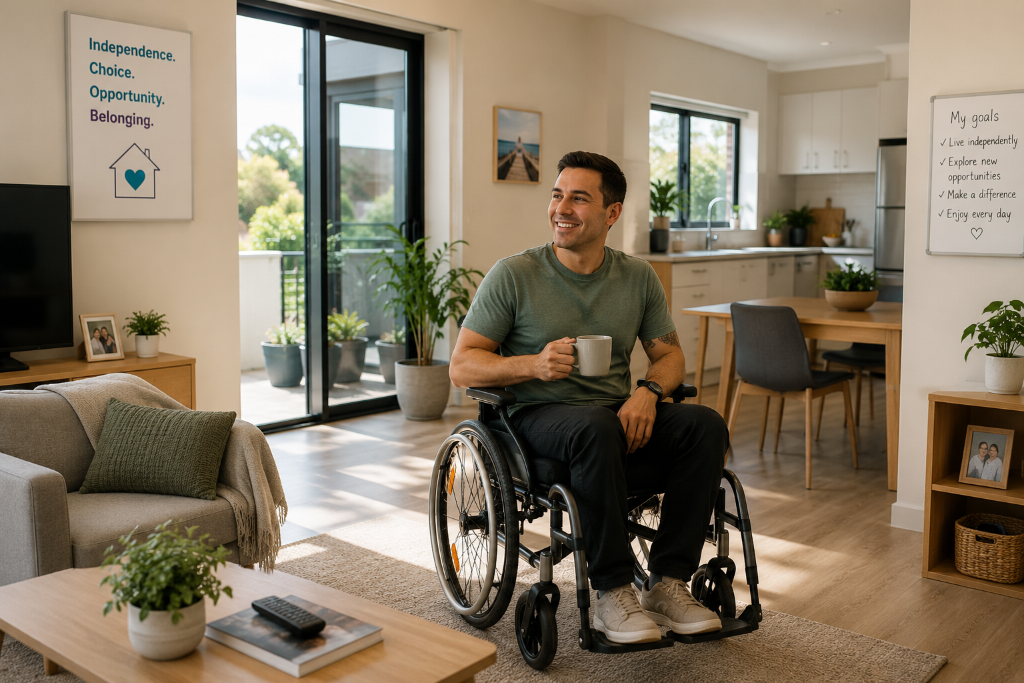
Understanding Specialist Disability Accommodation (SDA): Categories, Funding and How to Apply
Specialist Disability Accommodation (SDA) provides purpose-built or modified homes for NDIS participants with extreme functional impairment or very high support needs. Here's how SDA funding works and how to find available SDA properties.
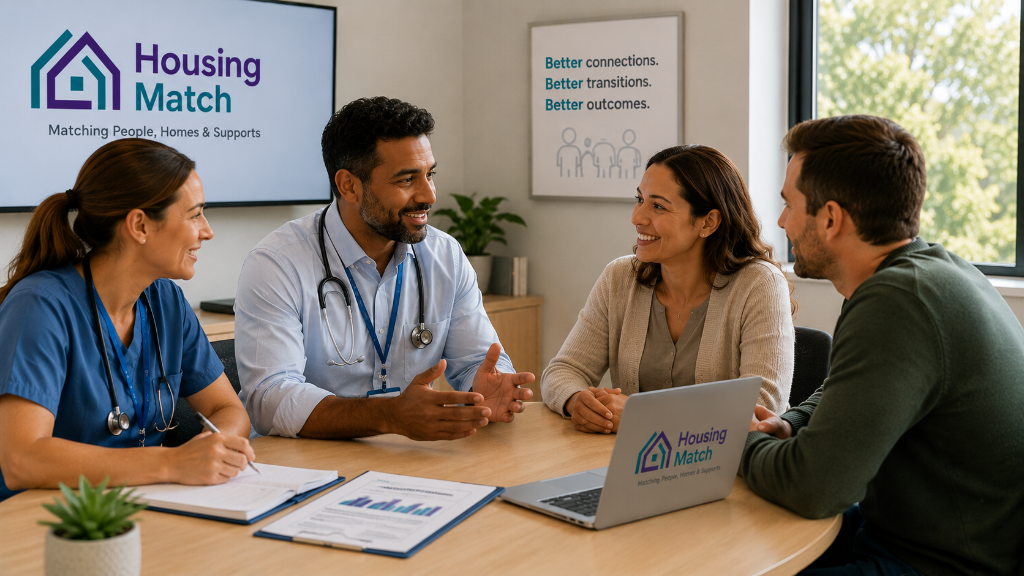
How AI Compatibility Assessments Are Reducing SIL Vacancies for NDIS Providers
SIL vacancies represent a significant financial risk for disability housing providers. Here's how AI-powered participant matching is helping providers fill vacancies faster and improve long-term tenancy outcomes.
What is Supported Independent Living (SIL)? A Complete Guide for NDIS Participants
Supported Independent Living (SIL) is one of the most significant NDIS supports available — here's everything you need to know about how it works, who qualifies, and how to find SIL vacancies near you.
Explore More
Search NDIS Housing
Find available SIL vacancies and SDA properties across Australia.
Search Properties